Social Media – The 21st Century Soap Box

i-voted-sticker.jpg

When I dropped my completed ballot in the mailbox I joined with 20 million other Americans who have or will vote early and avoid lines at polling places on November 8.  Early voters are typically those whose minds have been made up for some time and who are not among those who still remain undecided about one or more candidates or issues.  Despite the fact that I’ve already voted I’m not inclined to refrain from political posts on social media.  That’s just not very likely to happen at least until the acceptance and concession statements have been made on Election Night. If I can sway one undecided voter between now and then it will have been worth it.

images

I realize that some may have “unfriended” or “unfollowed” me. If so, that’s the price I’m prepared to pay for engaging (some may say over-engaging) in this Presidential campaign.  I guess I could have chosen instead to volunteer to make calls, go door-to-door armed with leaflets and talking points or found other ways to be politically active.  Instead, I chose to make my own online commentaries and share those of others in the belief that social media is the modern day version of the soap box.

5d65c59437062c4a07164faca0588b47

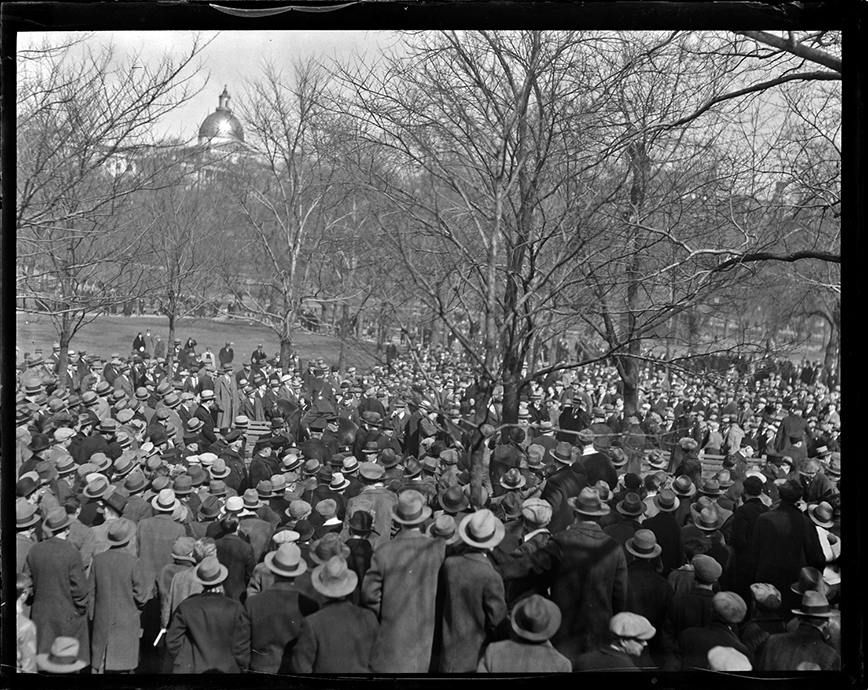
For those who may not be familiar with the use of the term soap box, the Boston Common, which dates from 1634 and is the oldest city park in America, was from its creation a popular location for soapbox orators to express a wide range of political views and ideologies. Standing on an actual soap box was the way people gained attention to express their points of view in the public square. Today, social media has become our modern day soap box.
91v1

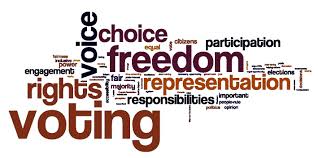
This long election cycle is coming to an end. And with it comes an end to the tsunami of social media posts on behalf of or in opposition to both Presidential aspirants and their political parties. I hope that when all the dust settles on Nov. 9 that Americans of all political leanings will accept the outcome and move forward in gestures of good will and reconciliation both large and small. Despite the fact that it has, by any reasonable assessment, been one of the strangest and most contentious campaigns in history it has, nevertheless, demonstrated the uninterrupted continuation of our democratic process that has lasted 240 years.
download.jpg

There are many lessons to be learned from the way both major parties have conducted their Presidential campaigns. There will be time enough to do a post mortem on Campaign 2016 after Election Day. But for now, let’s at least pause to give thanks that despite the vitriol and animosity between candidates and their partisans we still enjoy freedom to exercise the right to vote for or against whomever we choose. And at the end of the day, no matter how the votes are counted and whoever may be declared the winner it will be freedom and democracy that will be the real victors on Nov. 8.


business-card-front

For more commentaries by Stu Turgel go to: https://thephoenixfile.net/commentaries/

My Long Road from Crystal Radio to Worldwide Broadcasting

My love of radio started even before my first day of school. I have vivid late night childhood remembrances of slowly and carefully maneuvering the “cat’s whisker” of my simple crystal radio over a rough piece of galena crystal until a radio signal faintly entered the earplug. Searching for something to listen to was like mining for gold. And the payoff came when I discovered a nugget – the sound of a radio station filling my ear with old time radio serials like The Shadow and The Lone Ranger or comedies like Fibber McGee and Molly and The Jack Benny Show.

crystal-radio

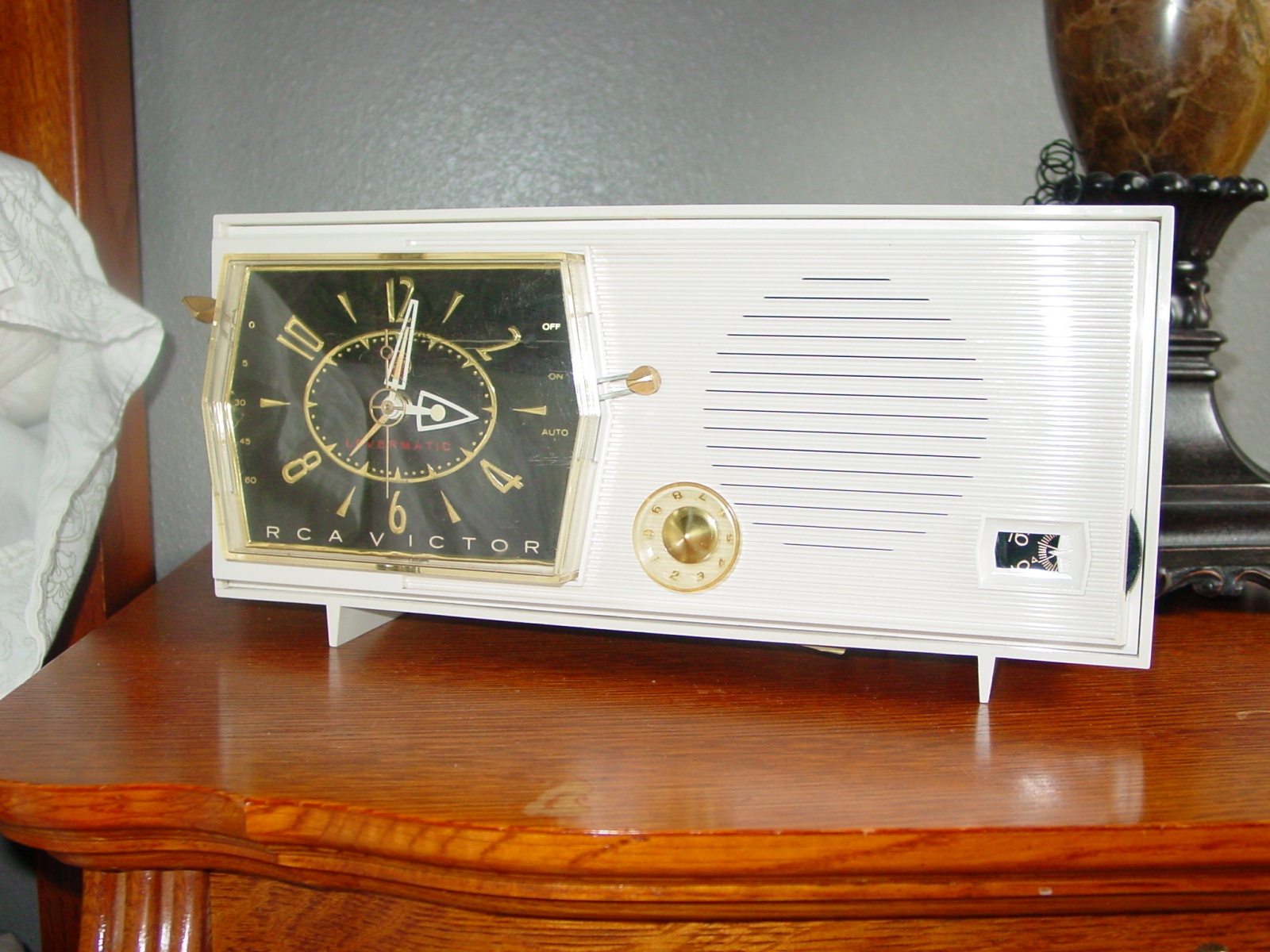
Before long the homemade crystal radio gave way to a treasured AM radio on my nightstand. In the middle of the night I would carefully turn the dial to search for the powerful signals of the giant 50,000 watt clear channel radio stations located near and far from my home near Boston. Radio became my window into the nation’s news and local community issues as told through late night newscasts and provocative talk shows hosts.

nightstand-radio

Over time when the sounds from American cities began to blur and sound alike the AM radio was replaced by a short wave radio which, when tuned carefully, filled my room with broadcasts of Voice of America, BBC, Radio Moscow, and programming from virtually every continent and corner of the world.

shortwave-radio

But radio was limited to listening and I wanted to be able to talk to the world, too. Amateur (HAM) Radio satisfied my urge to both hear and be heard. And thus my romance with headphones expanded to include the microphone, too. It was the start of a lifelong love of the art of communication.

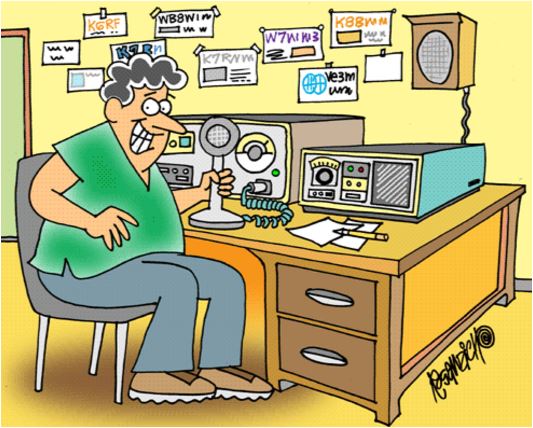
ham-radio

I grew increasingly fascinated with the way news and information was gathered and reported. Inspired by Edward R. Murrow and Walter Cronkite, I developed a deep interest in broadcast news gathering. My first experience behind a broadcast microphone came at WCMO-FM, my college radio station at Marietta College in Ohio. I was asked to be a disc jockey which I thoroughly enjoyed. But when the opportunity to be a newscaster was offered it was like winning the lottery. I later studied broadcasting at the Northeast Broadcasting School in Boston and then I was trained to be a military broadcast journalist at the Department of Defense Information School (DINFOS) at Ft. Benjamin Harrison in Indianapolis.

AFRTS 2.png

During the Vietnam era, I was stationed on Johnston Atoll, a remote Pacific island where I was the news director for the Armed Forces Radio and Television Service broadcasting news on both radio and television. The highlight of my tenure at AFRTS was being part of the military news team that broadcast the splashdown and recovery of the Apollo 11 capsule carrying the first astronauts to walk on the moon.

Following military service, my professional career took a very different path. I learned that a career in broadcasting could be volatile and unstable. So for the next four decades I worked in the nonprofit sector specializing in philanthropy and marketing communications. But I was still able to stay close to broadcasting as one of the early developers of the Children’s Miracle Network Telethon which supported Children’s Hospitals in North America. For 14 years I produced local television segments for the nationally broadcast telethon winning a regional Emmy in 1984. I also produced more than a dozen compilation record albums to benefit pediatric medical centers.

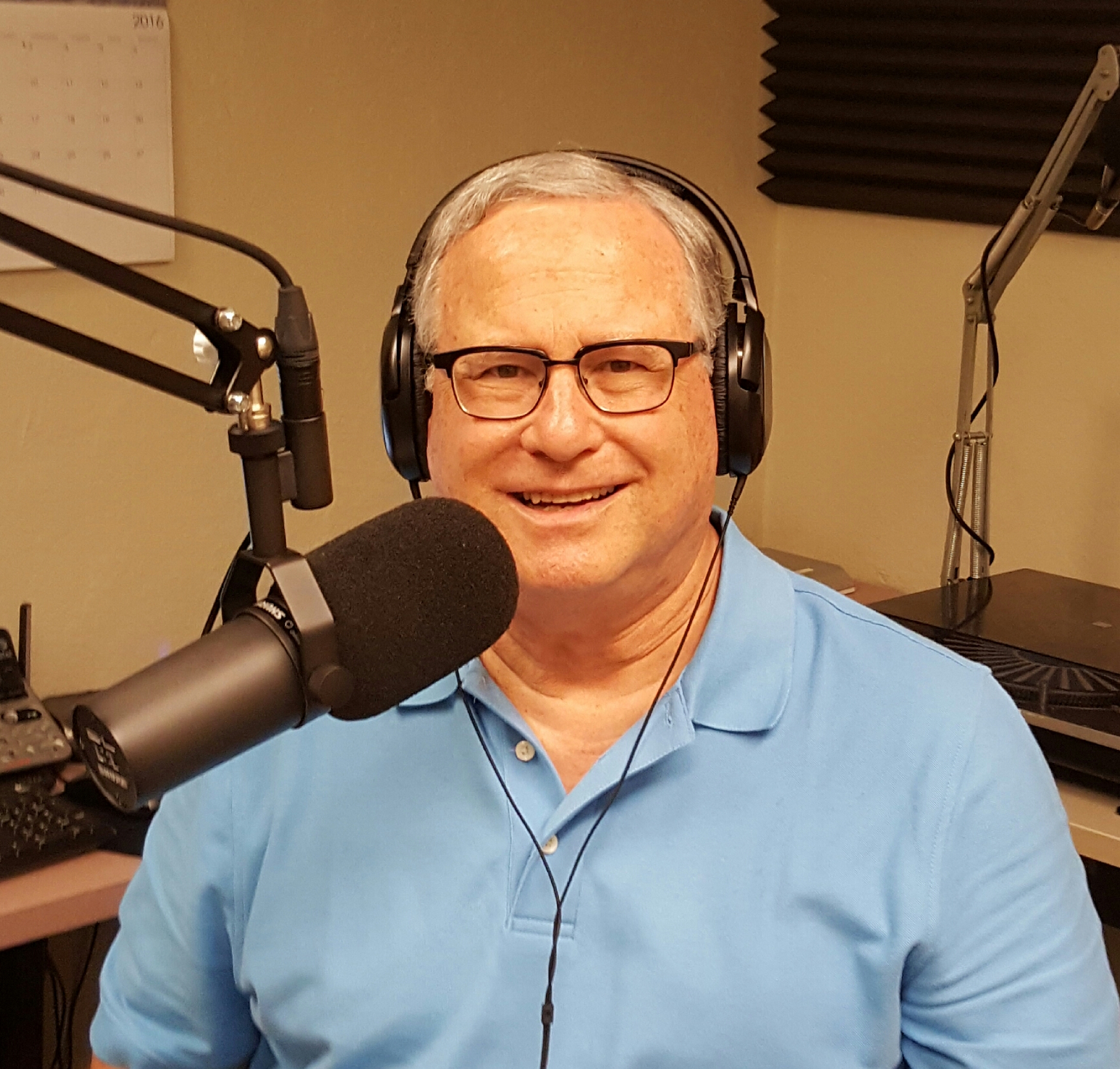
I retired in 2013 as the President and CEO of the Jewish Community Foundation of Greater Phoenix but I still provide management consulting to charitable organizations. One of the joys of my new found free time is being back behind the microphone again as a broadcaster at RADIO PHOENIX, one of the largest community radio stations in the country with a worldwide audience who listen to the live stream over the internet. I am the producer and host of The Phoenix File, a weekly newsmagazine featuring in-depth conversations about the people and programs positively impacting the quality of life in the Valley of the Sun. Beginning October 25 The Phoenix File will air every Tuesday from 6:30-7:00pm.

I was interviewed by a Radio Phoenix trainee for a recent segment of the Bungalow Show. Listen to the interview for a little more background on me and my new show.

www

Guests on The Phoenix File will come from a variety of areas such as:

  • social service, social justice and human rights;
  • arts, culture and education;
  • advocates for equality on behalf of all populations with special emphasis on the underserved;
  • civic, political and other public affairs issues;
  • newsworthy topics covered in-depth with balance, fairness and objectivity;
  • nonprofit volunteerism, leadership and philanthropy;
  • effective and responsible charitable giving and nonprofit accountability;
  • community building;
  • and more topics as suggested by listeners.

The Phoenix File can be heard live at www.radiophoenix.org or with the TuneIn Radio app on computers and mobile devices. The Phoenix File is both a radio show and an online blog at www.thephoenixfile.net .

My fascination with broadcasting has come a long way from late night listening to radio on a primitive crystal radio kit to broadcasting on a radio station heard throughout the world over the internet. While the technology may have changed my love for radio is as strong today as it was two thirds of a century ago.

stu-turgel-radio-phoenix-head-shot

business-card-front

For more commentaries by Stu Turgel go to: https://thephoenixfile.net/commentaries/
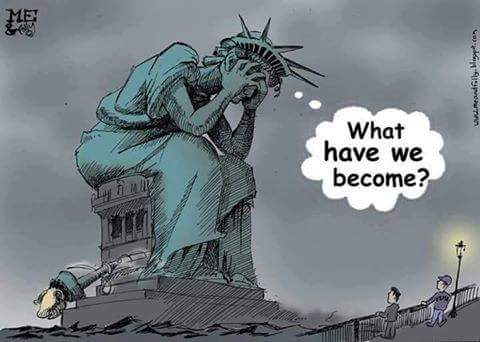
What have we become?

what-have-we-become

Since the formation of the Union, American election campaigns have always been contentious.  Mud slinging, vitriol, personal attacks, hyperbole, lies and ugliness are nothing new to politics.  But the 2016 Presidential campaign will doubtless be remembered by historians as one of our nation’s greatest political embarrassments.  It has truly become a race to the bottom.

How did we arrive at this place?  How did television go from images of Lucy and Ricky sleeping in separate beds to the regular, and some would say gratuitous use, of graphic sound bites which refer to male and female genitalia.  How did we get to a place when we read and hear more about a candidate’s marriage infidelity, boastful remarks about his sexual prowess, his sexual assault of women, his bullying, racist, misogynistic, xenophobic, and homophobic rants than we do about his specific political philosophy and policy proposals?

How did we get to the point where not one major American newspaper will endorse one of the two major party nominees and go so far as to break with their own tradition by endorsing a candidate with a political philosophy that runs counter to the editorial bent of the publication?

How did we get to the point where thirty days before the election, more than a dozen sitting U.S. Senators and numerous members of the House have rescinded their previous support for their party’s nominee for President or never endorsed the nominee at all?  How did we get to the point where the Speaker of the House of Representatives declares that he will not defend or campaign with his party’s nominee for President?

How did we get to the point where parents and teachers who once encouraged children to watch Presidential debates and campaign news coverage as a part of their civics education now keep their children away from the news which is full of content that includes graphic and explicit language suitable only for adults?

How did we get to the point where a candidate sexually objectifies women including his own daughter?  Where he demeans individuals based on their gender, religion. ethnic heritage, immigration status, sexual identity and preference, or disability ?

How did we get to the point where a major party candidate for President demonstrates a life-long pattern of legally and morally questionable business practices and who defies all requests for full and complete transparency of his tax returns?

How did we get to the point where a major political party passed over more than a dozen more qualified and ethically and morally fit candidates in favor of a nominee that may be held responsible for the destruction of what has often been called the party of Lincoln?

What have we become?  What has become of us as a nation?  How did we get to this point?  And most importantly what is to become of us in the future?

When will we be able to return to a time when, to paraphrase Dr. Martin Luther King, candidates will be judged by the content of their policies and not by the deficits in their character?

It is often easier to diagnosis the problem than it is to prescribe the remedy.  We have always been a hopeful nation full of optimism and aspiration.  And while we may have many reasons to believe that the future is bright we should be very concerned about the dark storm clouds that may be blocking the sun from our political process.  And now more than ever we need all the sunshine we can get because sunshine can be the best disinfectant for a process that has sadly been defiled.

Presidential historians, political pundits, academicians, and other analysts will study the many factors that brought us to this point.  Whatever they and others identify as the causative factors, what will be most important will be our ability as a nation to learn from our mistakes and commit to never repeat them again.  Our Democracy cannot afford to have its central pillar eroded by our most recent experience.  We need to marshal all of our goodwill, our national brilliance and energy to ensure that what has become of us will not be what we have become for the future.

business-card-front

For more commentaries by Stu Turgel go to: https://thephoenixfile.net/commentaries/